Nordic-Baltic Diatomist Meeting at the polar circle
In early June (June 8–12, 2026), I went on my first work trip after a long hiatus since July 2023, when I attended INQUA2023 in Rome. Participating in the Nordic-Baltic Diatomist Meeting (NBDM2026) gave me a wonderful opportunity to slowly and gently re-enter the professional world after returning from parental leave. I spent more than 1.5 years at home in a different world, far from research, diatoms, and writing papers. On rare occasions, I logged on to reply to emails from colleagues, proofread a manuscript I had co-authored, or agreed to review a paper.
Meetings of diatom researchers from the Nordic and Baltic countries always take place in a relaxed and friendly atmosphere. Because the number of participants is small, it is possible to communicate and discuss various topics with almost everyone. This time, NBDM2026 was organized by Aino Juutinen and Annika Vilmi from the Finnish Environment Institute in a truly beautiful location — Oulanka National Park, which is home to the University of Oulu’s research station.
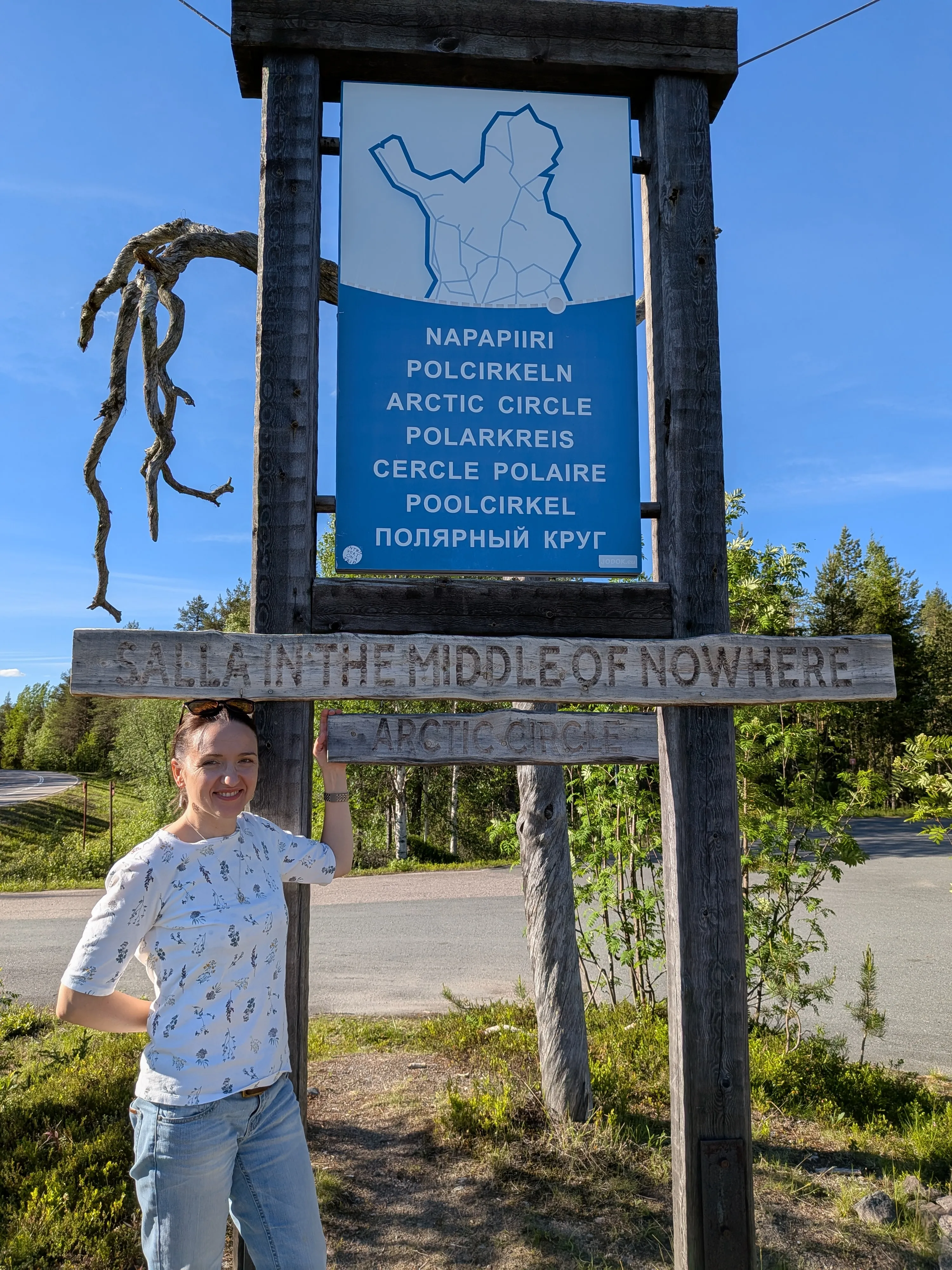
It was my first time so far north. I found the reindeer quite exotic — they wandered around very calmly, even right in the middle of the road, where cars had to slow down until the reindeer decided they were ready to move aside. I understand that for Finns, who are used to reindeer, this wandering in the middle of the road can be quite annoying, but as a proper tourist, I just kept taking photos and filming.
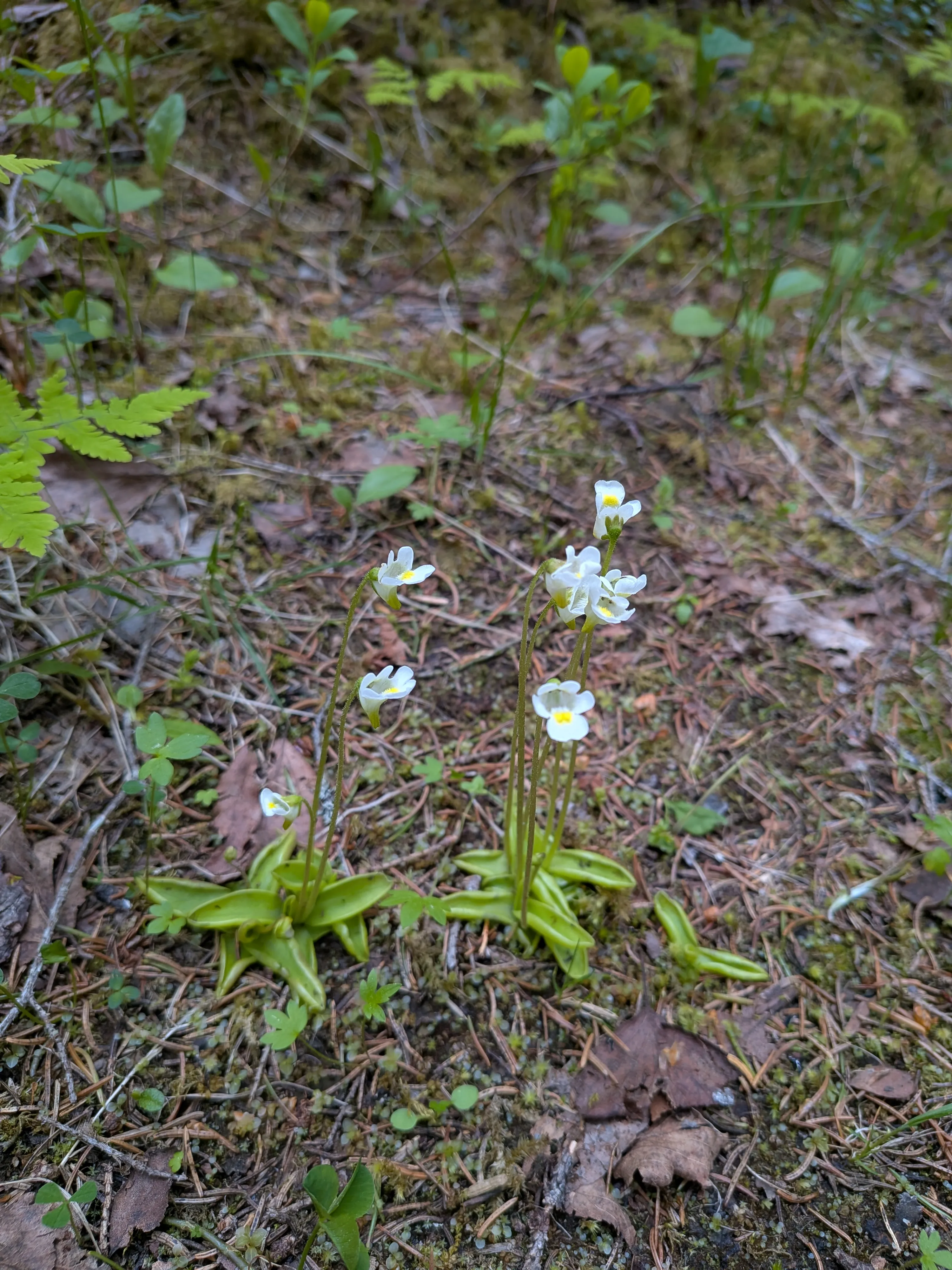
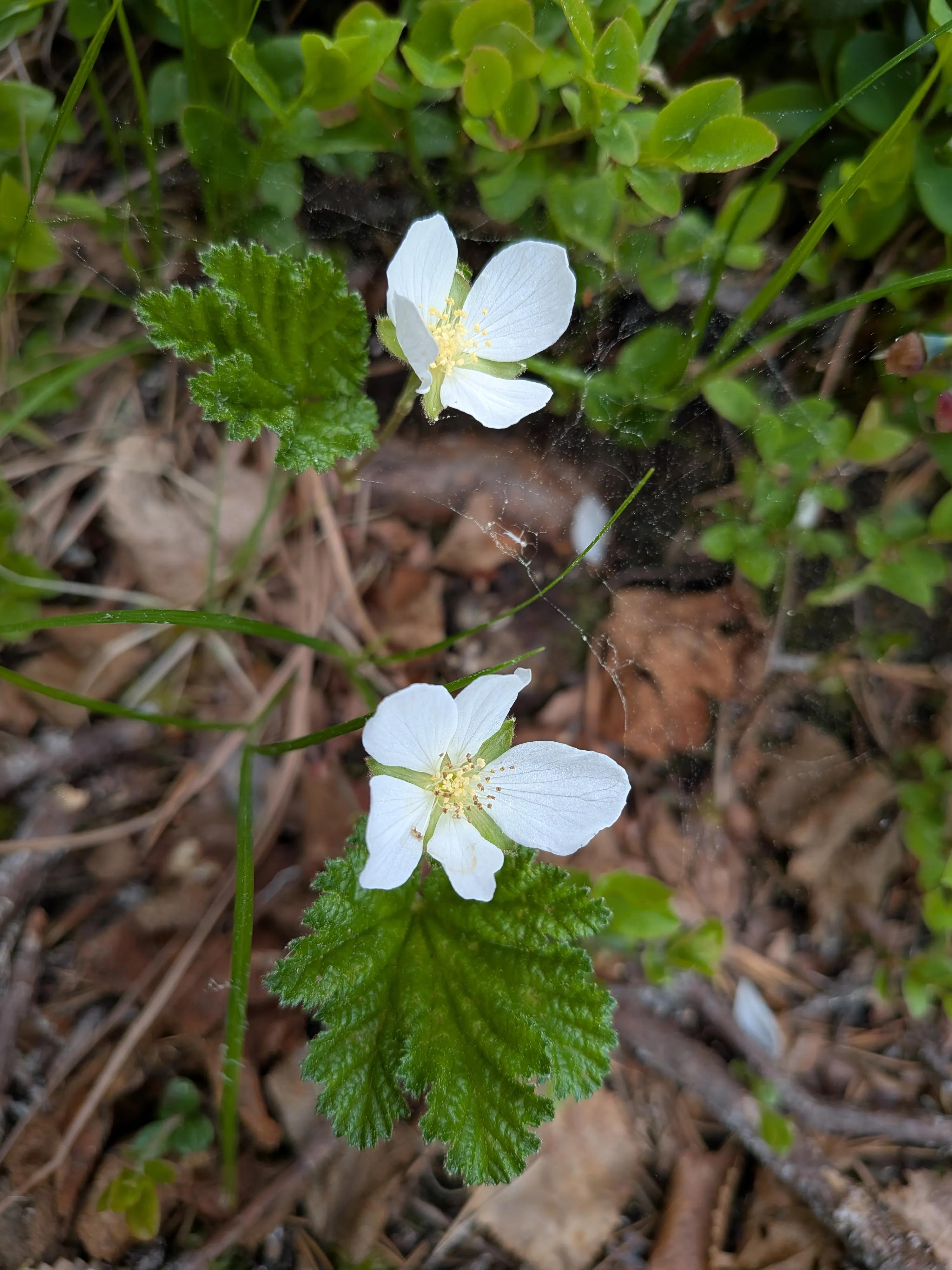
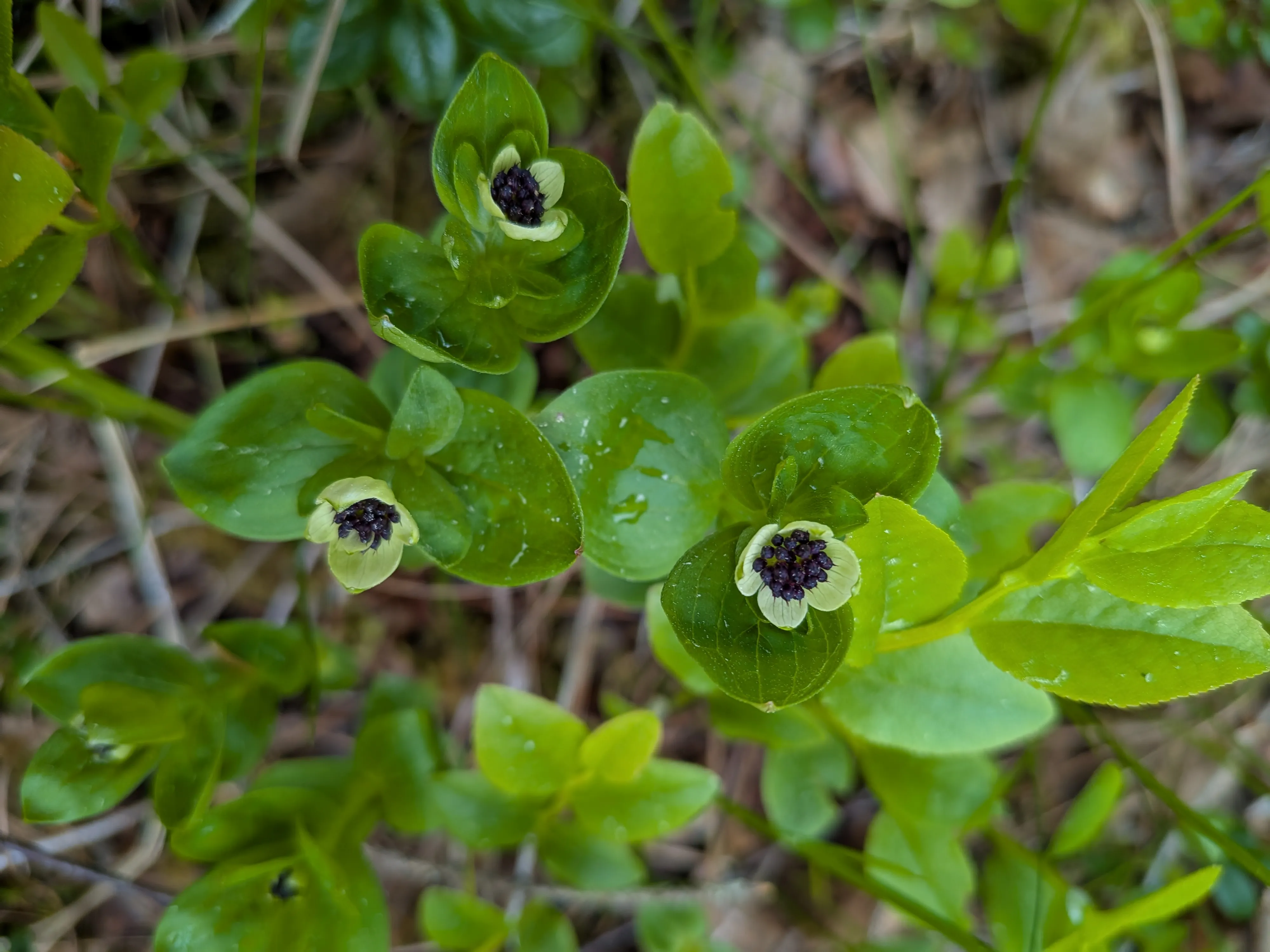
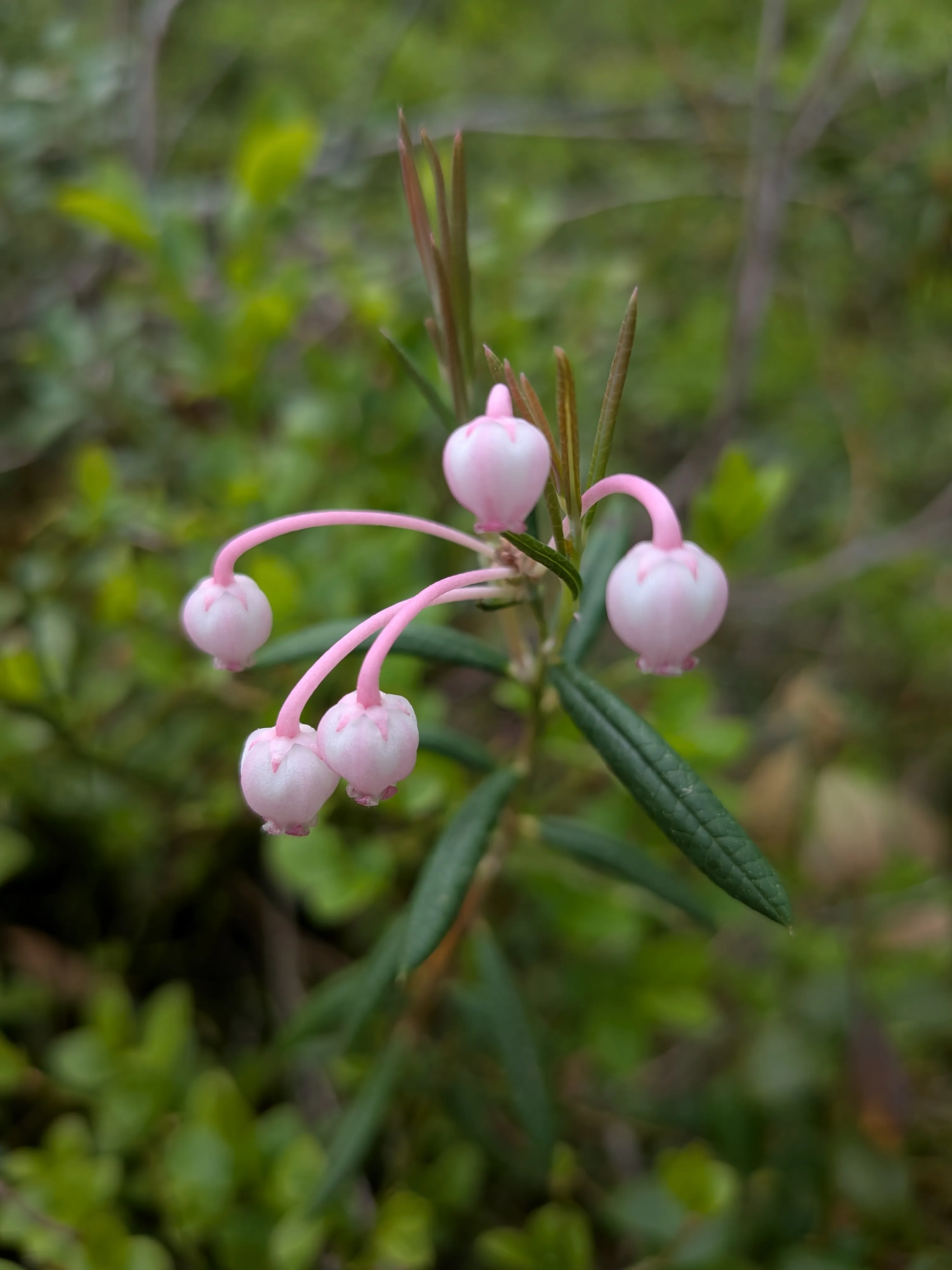
The nature here is breathtaking, with a landscape shaped by glaciers — up, down, up, down. On the tops of the hills are dry pine forests; in the valleys, marshy areas with small, slender pines. Oulanka National Park is known for its wonderful flora, where sun-loving plants grow on the sunny side of the hills, while shade-loving plants thrive on the shady side. Our Belgian colleague Bart Van de Vijver showed us where the park’s symbol and pride, the Calypso orchid (Calypso bulbosa), grows, as well as creeping lady’s tresses (Goodyera repens), arctic starflower (Lysimachia europaea), marsh rosemary or wild rosemary (Rhododendron tomentosum), alpine butterwort (Pinguicula alpina), bog rosemary (Andromeda polifolia), dwarf cornel (Cornus suecica), cloudberries (Rubus chamaemorus), and other plants.
Of course, while enjoying the wonderful natural surroundings, I also immersed myself in the world of diatoms, listening to my colleagues’ presentations on various diatom-related topics. One particularly useful and interesting presentation focused on benthic algae monitoring in Sweden and comparisons between metabarcoding and microscopy analyses. Maria Kahlert from the Swedish University of Agricultural Sciences provided an excellent overview of how metabarcoding is performed on diatoms, how complex it is, and what benefits and challenges it involves.
It got me thinking: could we do this in Latvia, too?! Of course we could — the infrastructure is there, but funding… How can we secure funding for this kind of project when available funding for science is very limited and, at the same time, national defense is a top national priority?! Unless we could figure out how diatoms might be used in the military, in medicine, or in food production, it is unlikely that anyone would allocate funds for the metabarcoding of diatoms.
The seminar led by Bart Van de Vijver on the identification of Punctastriata, Pseudostaurosiropsis, Distrionella, Stauroforma, and Fragilariforma was excellent, as always. Only Bart can make the topic of diatom identification so fascinating. It is wonderful to have teachers who pour their heart and soul into sharing their expertise; this captivates the audience and makes it easier to understand the complex world of diatoms.
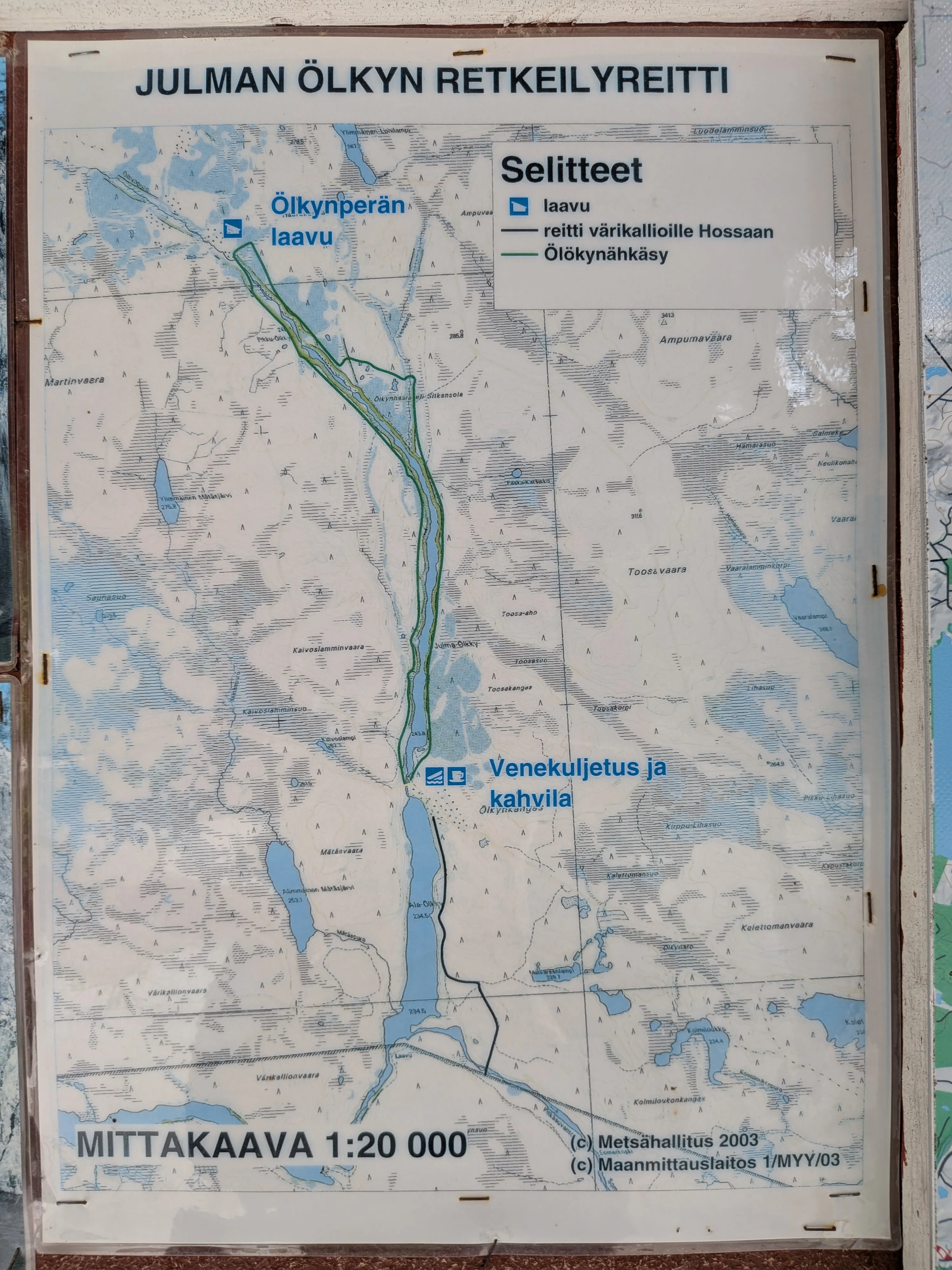
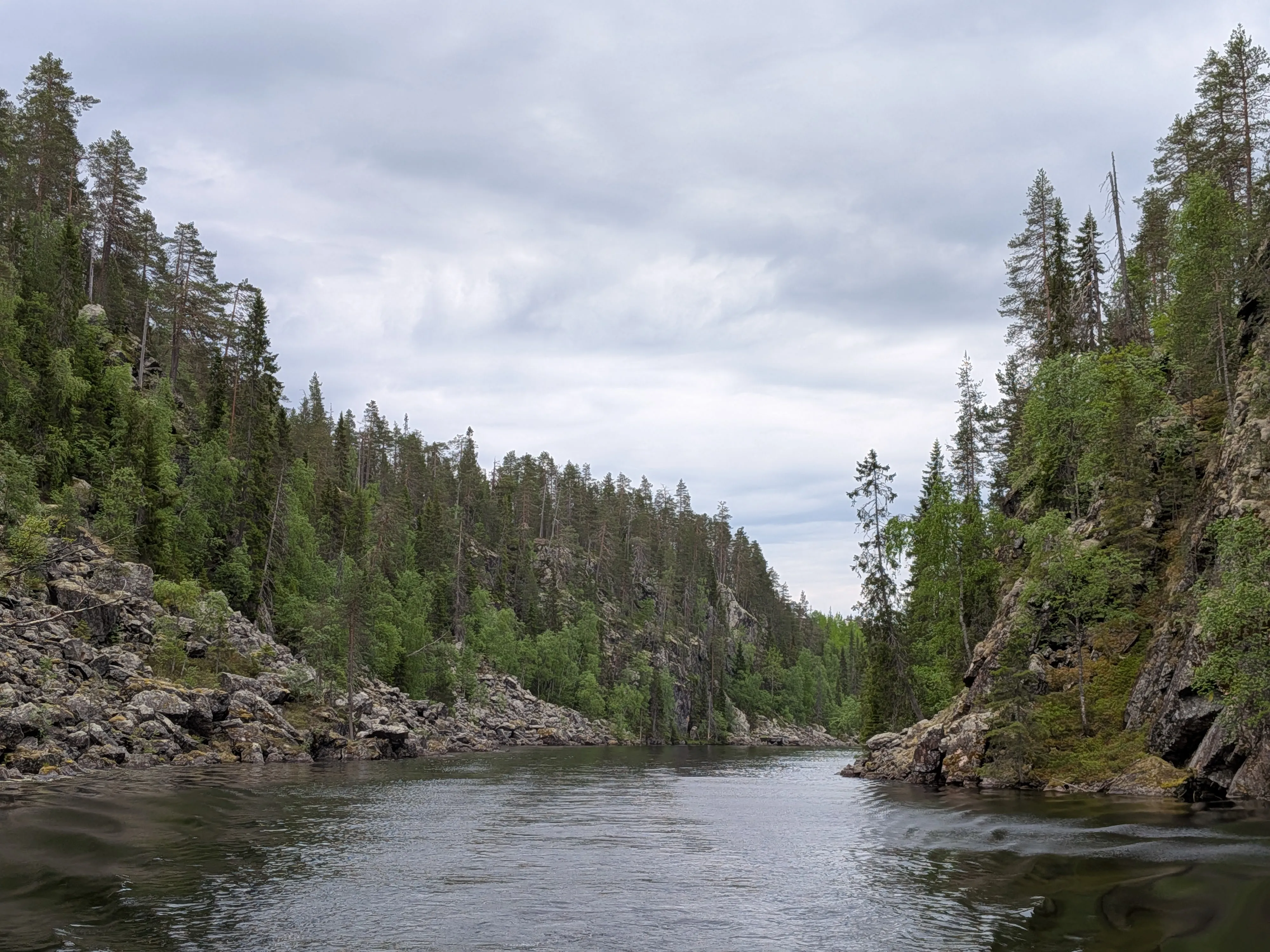
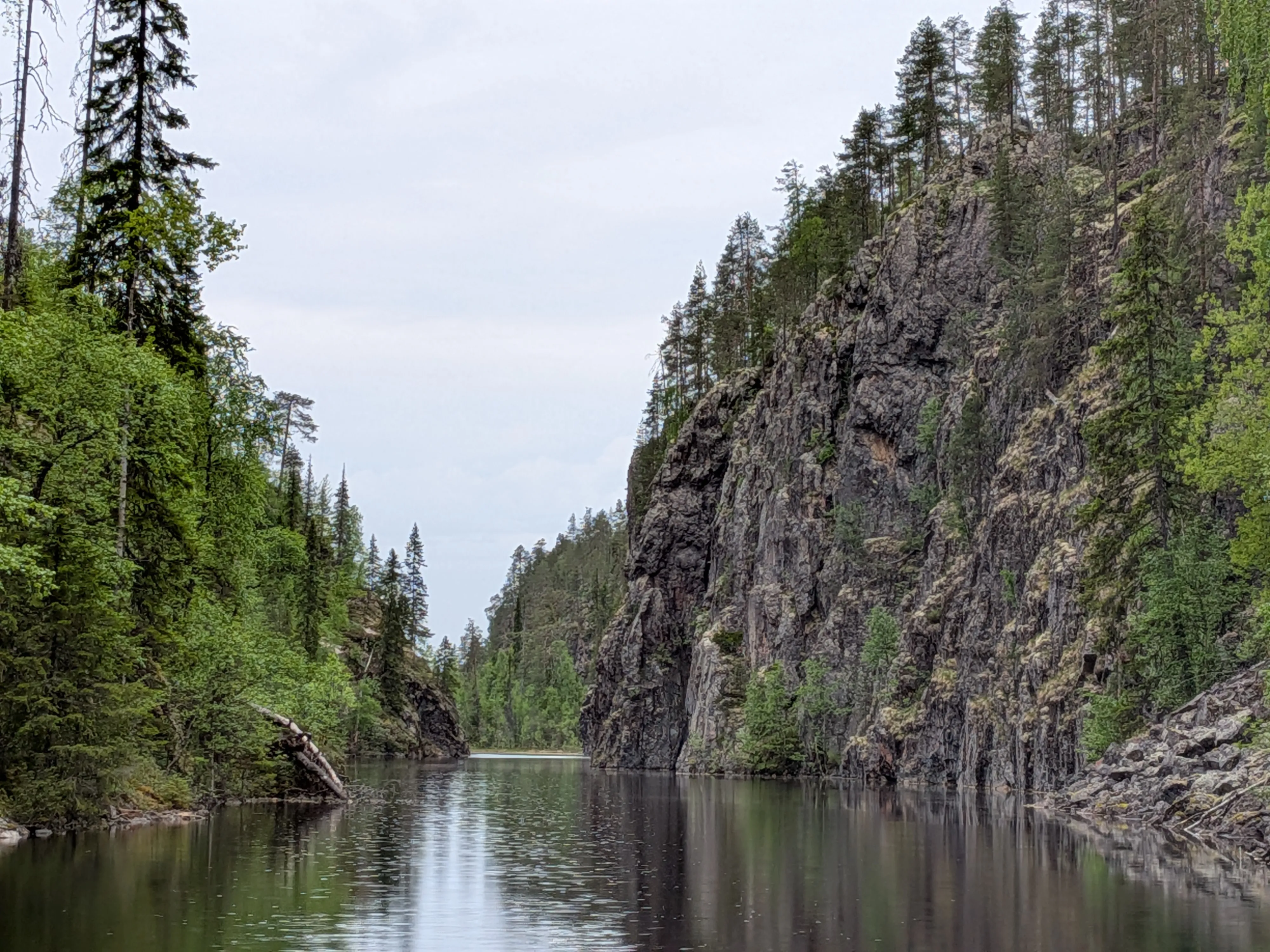
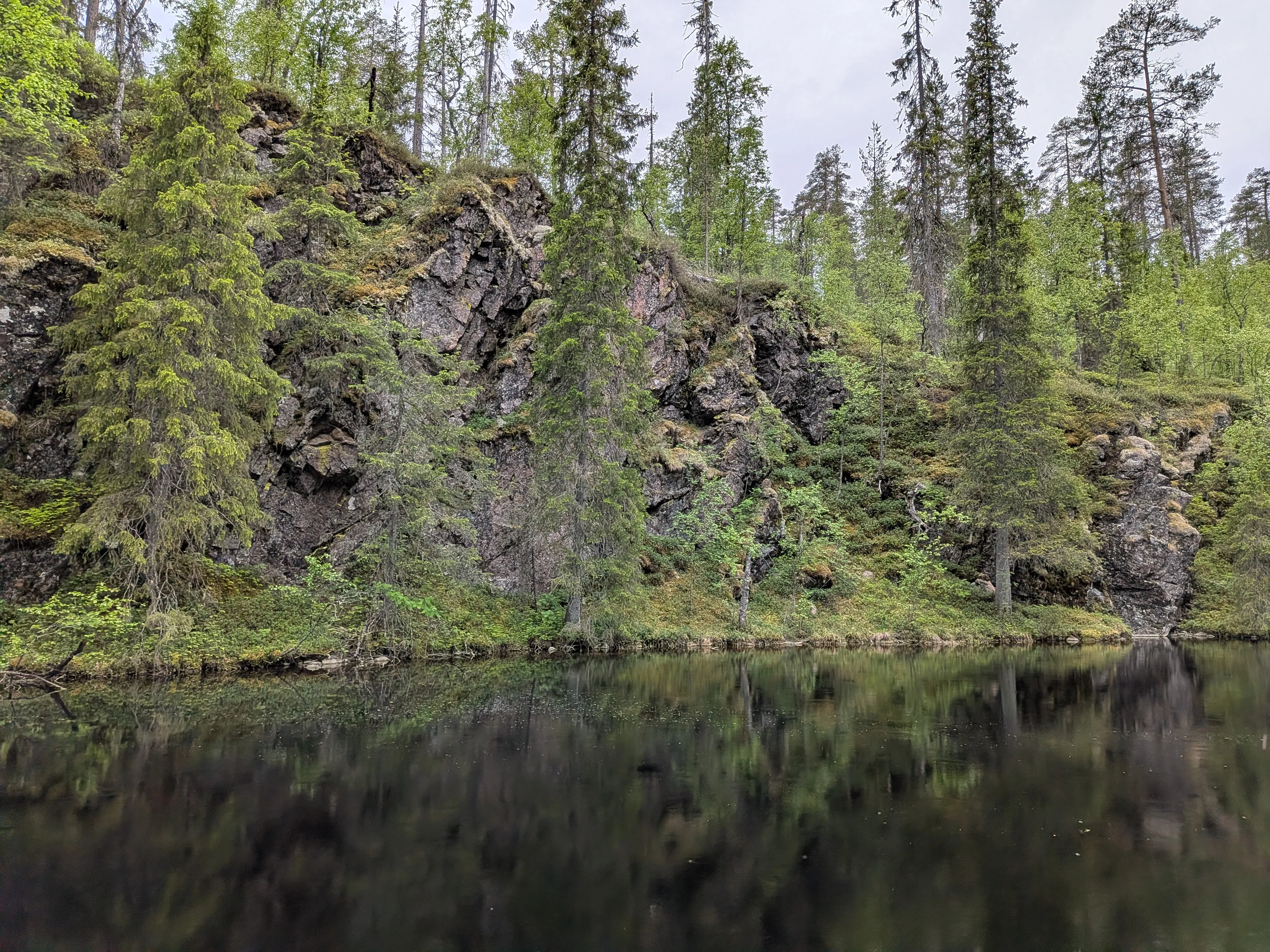
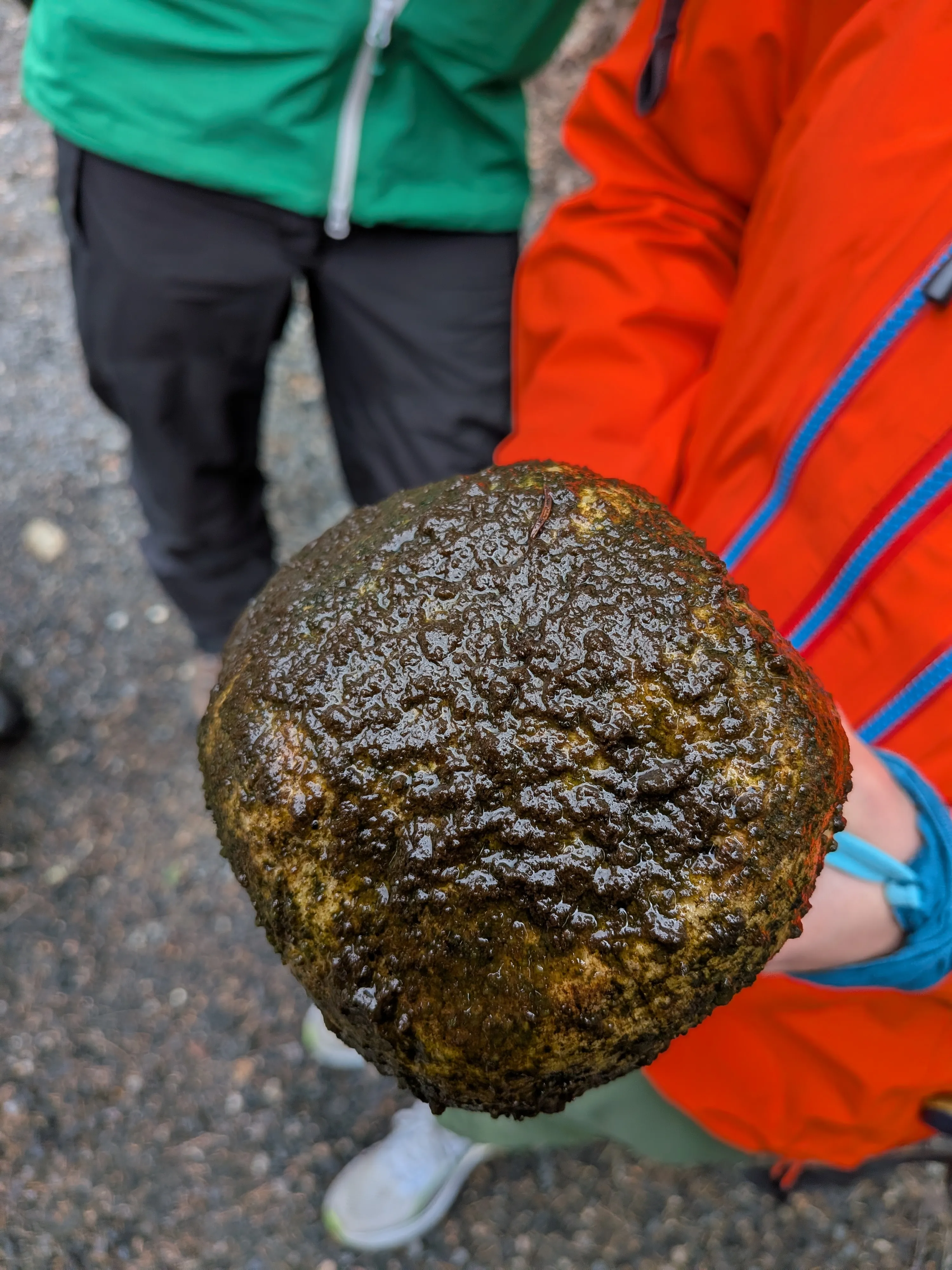
As part of NBDM2026, we went on a field trip to Lake Julma-Ölkky, where we collected diatom samples from both the plankton and the benthos. The lake has an unusual shape — it is narrow and long, located in a canyon surrounded by cliffs. It is notable for its interesting diatom species composition, which is characteristic of a slightly acidic, oligotrophic environment. At the time of sampling, the lake temperature was 15.9°C, with a pH of 6.26–6.35 and electrical conductivity of 0.03 mS/m.
Bart had prepared a surprise for all participants — a permanent microscopic slide of diatoms from Julma-Ölkky and a booklet listing the most common species found in the sample. Now I am eager to find natural water bodies in Latvia that are oligotrophic and have low pH, in order to compare the diatom species found in Latvia and Finland in similar environments.